 FKINP
FKINP Start With the Operating Arrangement
For U.S. owner-operators, Progressive lists numerous trucking coverages and filing support, OOIDA/OOSI focuses on small and leased owner-operators, and Northland combines truck insurance with risk-management and claims resources.[6][7][8]
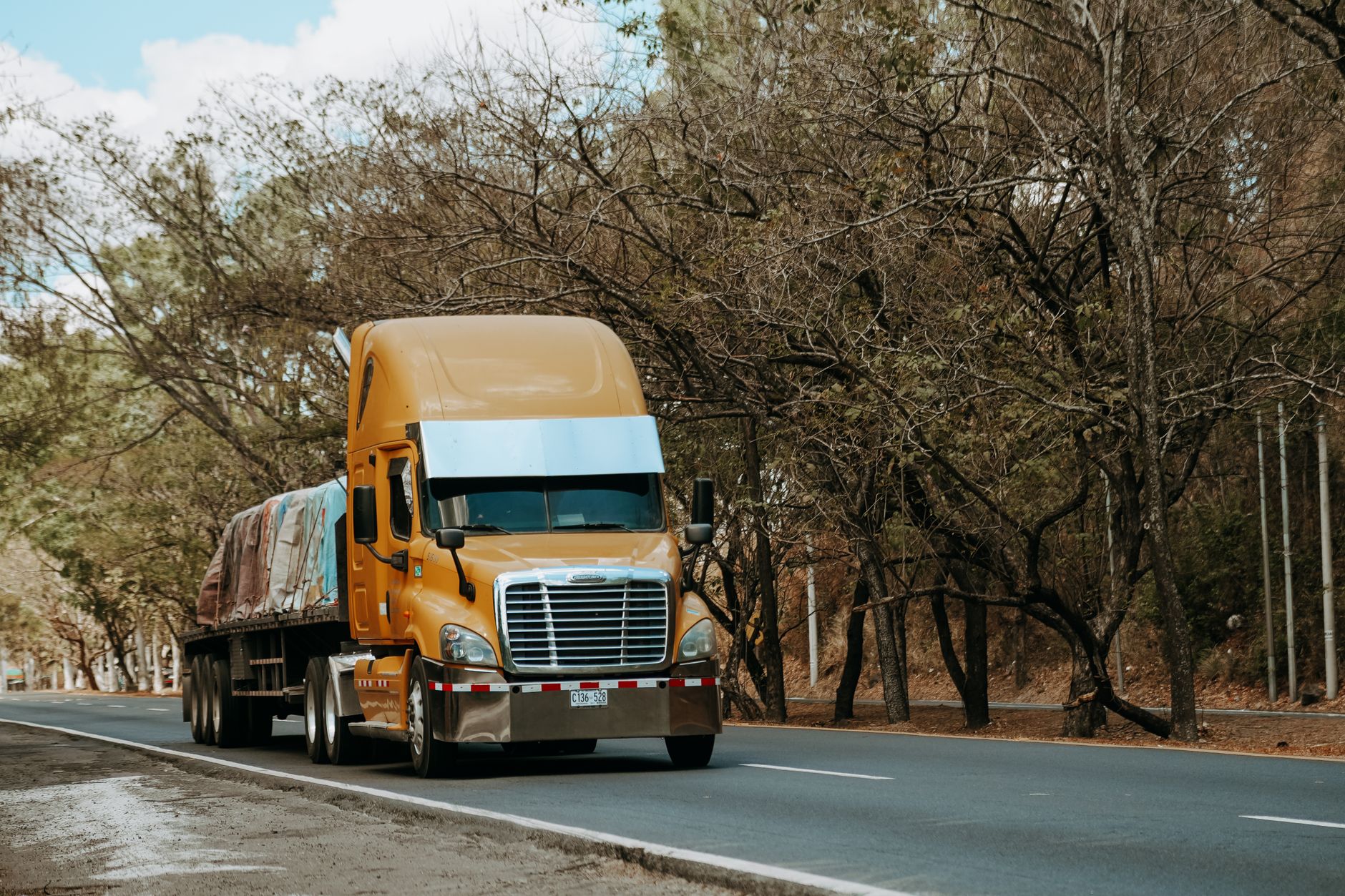
Before requesting quotes or signing a motor-carrier lease, identify who is responsible for each item:
- Primary liability: Which party provides it while the truck operates for the business?
- Motor truck cargo: Who insures the freight, and which cargo, causes of loss and limits apply?
- Physical damage: Who covers damage to the truck?
- Off-duty personal use: Which policy applies when the truck is not being used for the carrier’s business?
- Additional drivers: Who approves and lists employees or other drivers?
- Insurance filings: Who buys the policy supporting each filing, and who submits proof?
Compare those answers with the lease, quotes, declarations and endorsements from both parties. Progressive and OOIDA/OOSI provide general guidance, but the applicable policy and lease documents determine the coverage purchased.[6][7]
Personal Use, Non-Trucking Liability and Bobtail
These terms are not interchangeable. Personal use describes the trip’s purpose, while non-trucking liability and bobtail coverage address different operating situations.[6][7]
- Personal use: Progressive and OOIDA/OOSI say drivers operating under their own authority are covered for personal use. Drivers leased to a motor carrier are usually covered only for business use.[6][7]
- Non-trucking liability: Both vendors associate this coverage with off-duty personal use by an owner-operator leased to a motor carrier.[6][7]
- Bobtail coverage: Progressive describes this as protection when a tractor is driven without a trailer for a business purpose, such as returning to a depot after dropping off a trailer.[6]
A tractor returning to a depot without a trailer may therefore be a business-purpose bobtail trip, while an off-duty personal trip may fall under non-trucking liability.[6][7] Classify each anticipated trip by purpose and trailer status, then ask the insurer to identify the applicable policy or endorsement in writing.
Keep liability and cargo coverage separate. Progressive describes primary liability as covering injuries, property damage and cargo-spill cleanup following an on-road accident. It describes motor truck cargo as protection for hauled goods against loss or damage from accidents, theft and other covered risks.[6]
Progressive says most trucks need at least $750,000 in primary liability. That threshold is vendor-provided; the cited FMCSA portal does not independently publish the applicable limits or commodity-specific exceptions.[6][1] Confirm the limit required for the specific operation.
Progressive and OOIDA/OOSI also say employees driving insured trucks must be listed as permissive users, subject to the policy.[6][7]
Progressive vs. OOIDA/OOSI vs. Northland
Progressive Commercial
- Intended customer: Owner-operators under their own authority or leased to a carrier, motor carriers, private carriers, for-hire truckers and vocational operations.[6]
- Named coverages and services: Primary liability, motor truck cargo, non-trucking liability, trailer interchange, general liability for truckers, heavy truck roadside assistance and rental reimbursement with downtime.[6]
- Purchasing and payment: Prices may vary by purchase channel. Progressive offers low-down-payment plans and says monthly installments carry no interest because it does not use outside premium financing.[6]
OOIDA/OOSI
- Intended customer: Small-business truckers, owner-operators and leased owner-operators buying through OOIDA’s wholly owned insurance subsidiary, Owner-Operator Services Inc.[7]
- Named coverages and services: Commercial truck insurance, additional trucking coverage options, trucking-focused agents and non-trucking liability guidance for leased drivers’ off-duty personal use.[7]
- Purchasing and payment: OOSI offers monthly installments without large upfront payments or additional finance costs. It says no credit check is required and there are no hidden renewal costs.[7]
Northland Insurance
- Intended customer: Owner-operators and fleets seeking insurance with trucking-specific risk-management and claims resources.[8]
- Named coverages and services: Commercial auto liability, motor truck cargo, physical damage, general liability, roadside assistance and towing, Deluxe coverage, risk control, transportation claims support, theft-investigation support and transportation legal services.[8]
- Purchasing and payment: Businesses can request a quote through Northland, while agents can use its site to locate a Northland general agent.[8]
Progressive can place multiple vehicles on one policy, but each truck and driver must be listed during quoting; fleet size may determine whether an account is handled by Progressive Commercial or Progressive Fleet.[6] Northland also promotes an eligibility-dependent telematics program, Trucker Path technologies, safety resources and its Northland Innovation Network for Transportation.[8]
Progressive notes that coverage is not available in every state or for every vehicle and coverage selection. Its repair network and telematics programs also are not available everywhere.[6]
Insurance Filing Support
Progressive and OOSI describe different events that start their filing processes, so confirm the trigger and completion status rather than relying on the policy payment or binder alone.[6][7]
Progressive Commercial
Progressive says it provides state and federal insurance filings after the customer purchases insurance and files for operating authority. Requested filings are usually completed within 48 hours.[6]
OOIDA/OOSI
OOSI says it can submit proof-of-insurance filings electronically as soon as a policy is bound.[7] Its page refers to the receiving agency as the “Federal Highway Administration,” while the federal Licensing and Insurance portal is operated by the Federal Motor Carrier Safety Administration.[1][7] Ask OOSI to identify each filing and receiving agency by its official name.
Northland Insurance
Northland’s commercial truck page does not identify which insurance filings it handles or state a turnaround time.[8] Obtain both details from the quoting representative.
For any provider, request written confirmation of:
- The exact filing required for the authority, commodity and operating jurisdictions.
- The federal or state agency receiving it.
- Whether submission is electronic.
- What starts the filing process and the expected submission time.
- How filing completion can be verified before dispatch.
How to Compare Quotes
Progressive says its rates can depend on inspection history, required coverage, vehicle type, cargo, operating radius and driving history.[6] Give each provider the same operating facts so the quotes reflect the same risk and requested coverage.
Use One Written Fact Sheet
- Whether the truck will operate under the owner-operator’s authority or a motor-carrier lease.
- Truck and trailer details and every potential driver.
- Expected cargo and operating radius.
- Business use, off-duty personal use and bobtail operations.
- Requested insurance filings and intended effective date.
Compare the Policy Terms
- Coverage: Limits, deductibles, exclusions and endorsements.
- Administration: Policy term, renewal mechanics and eligibility conditions.
- Ending coverage: Cancellation rights or fees and refund calculations.
- Availability and filings: State availability, filing commitments, submission timing and confirmation method.
Request an itemized quote, declarations, coverage forms, endorsements, exclusions, payment schedule, cancellation provisions and filing confirmation. For a leased truck, also obtain the carrier’s policy evidence for any coverage assigned to the carrier under the lease.
What to Confirm With Each Provider
The providers’ public pages leave several decision-critical terms unpublished.[6][7][8] Confirm the following during quoting:
- Progressive: Exact premium, deductibles, policy term, complete exclusions, cancellation rights or fees and refund rules.[6]
- OOIDA/OOSI: Numerical premium, limits, deductibles, complete coverage definitions, policy term, state availability, exclusions, cancellation terms and refund rules.[7]
- Northland: Premium, discounts, limits, deductibles, payment or financing terms, policy term, eligibility, state availability, exclusions, cancellation terms, refund rules and filing support.[8]
Choosing an Option
- Progressive: Consider it when numerous named trucking coverages, support for varied vehicles and operations, and stated state and federal filing assistance are priorities.[6]
- OOIDA/OOSI: Consider it for an owner-operator-focused channel, trucking agents, monthly installments without additional finance costs and filing upon binding.[7]
- Northland: Consider it when risk control, transportation claims resources, theft-investigation support, legal services or optional technology resources are important.[8]
Eliminate options that cannot insure the operation or support the necessary filings. Then compare coverage gaps, limits, deductibles, payment terms, cancellation provisions and refund rules. The vendors’ marketing materials do not provide independent evidence establishing a universal winner for price, claims quality or service.[6][7][8]
References
- Licensing & Insurance Home Page (dot.gov, 2026)
- Commercial Truck Insurance: Get a Quote | Progressive Commercial (progressivecommercial.com)
- Affordable Commercial Truck Insurance » Call OOIDA at (800) 715-9369 : OOIDA (ooidatruckinsurance.com)
- Commercial Truck Insurance | Northland Insurance (northlandins.com)