FKINP
Before authorizing a ring resize, compare the original seller with an independent jeweler, but approve neither until the provider has assessed the specific ring and put its condition, scope, price, timing, custody and correction terms in writing.[3]
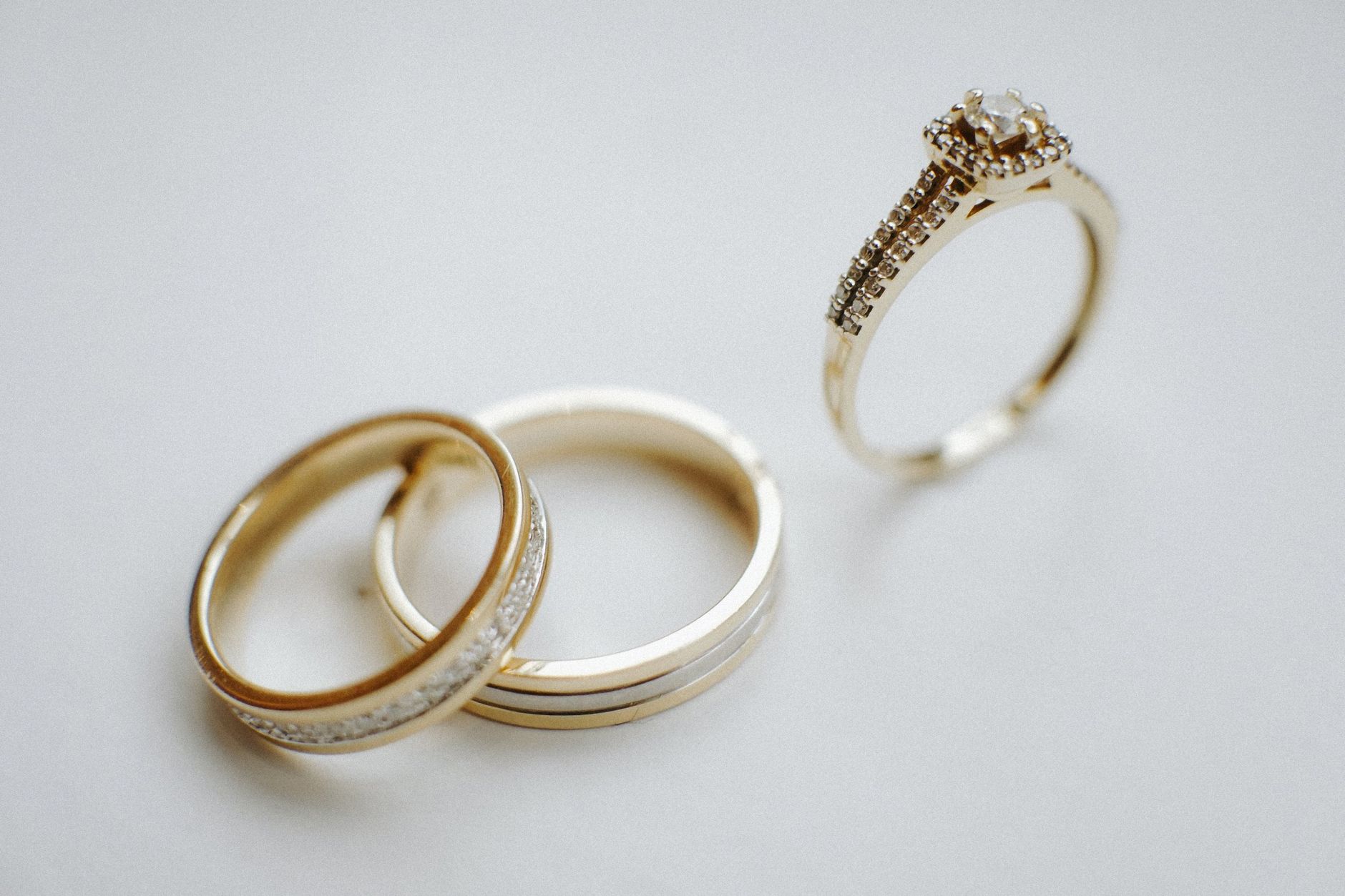
Document the ring and requested fit change
Have the wearer’s finger measured in person while relaxed and at a regular body temperature. Fit can vary with temperature, meals, activity and time of day, so assess it under different conditions before deciding to resize.[3] A well-fitting ring should pass over the knuckle with some resistance and sit securely without constant movement; persistent spinning, slipping, difficult removal or skin marks may indicate a fit problem.[3]
Create a pre-work record covering:
- The requested change: Record the current and target sizes, whether the ring will be enlarged or reduced, and the extent of the adjustment. Angara’s article also recommends recording the assessment date and jeweler because the history may inform future work.[4]
- Earlier work and wear: Disclose previous resizing and repairs. Note a thin or worn shank, brittle areas and visible deterioration because earlier work or weakened metal may restrict another alteration.[3][4]
- Current condition: Document the band thickness, metalwork, stones, settings and visible damage—the areas the professional should inspect before accepting the job.[2][3][4]
- Condition before shipment: If the ring will go to an off-site workshop, request written documentation and clear photographs of the ring and stones before shipment. Ask what protective measures apply while it is away.[3]
Ask whether this ring can be resized safely
Ask the professional to inspect the band thickness, metal, stones, settings, design and existing condition, then explain whether cutting, adding matching metal or another approach is appropriate for this ring.[2][3][4]
Published size guidance conflicts. Only Natural Diamonds favors an adjustment of one or two sizes; Beyond4Cs and The Diamond Pro’s 2023 guide describe two sizes as a general maximum; Quick Jewelry Repairs says most rings can move two to three sizes.[2][3][5][6] These ranges are general guidance, not clearance for a particular ring.
- Does it require specialist care? Eternity, pavé, channel-set, tension-set, engraved, ornate, vintage and fragile heirloom rings may be difficult to alter, require added precautions or need remaking.[2][3][5][6] Previously repaired rings may also require specialist care.[3][4]
- What will change? Ask how the shape, setting, engraving, band thickness and overall appearance could be affected. For an unusual shape or substantial alteration, request a sketch of the proposed result.[5]
- Could a non-cutting solution work? Only Natural Diamonds describes sizing beads for adjustments up to half a size and spring inserts for rings that clear a large knuckle but spin at the finger base.[3]
Compare the original seller with an independent jeweler
Compare warranty effects, work location and suitability for the ring—not price alone.[3][4][6]
Original manufacturer or seller
- Warranty effect: Read the written warranty first. Angara says some manufacturer warranties require work by the original jeweler or an authorized partner and warns that third-party resizing may void coverage.[4]
- Work location and custody: Ask whether the ring remains on-site or goes to another workshop, how it will be transported and whether off-site work affects the completion estimate.[3]
- Suited to: Consider this route when written coverage requires authorized service. The Diamond Pro also generally recommends returning to the original jeweler when possible.[3][6]
Independent jeweler
- Warranty effect: Obtain the manufacturer’s written position before authorization because independent work may affect existing coverage.[3][4]
- Work location and custody: Confirm whether the jeweler performs resizing on-site or transfers the ring to another workshop, and ask who accepts responsibility while it is in transit.[3]
- Suited to: A specialist assessment is particularly relevant for vintage, heirloom, ornate, pavé, channel-set or previously repaired rings with additional structural or setting concerns.[2][3][4]
Require a complete written authorization
The authorization should identify the ring’s documented condition, current and target sizes, whether it will be enlarged or reduced, the proposed method and the expected finished appearance. For an unusual shape or substantial alteration, include a sketch.[4][5]
- Price and changes: Require an item-specific total or a process for approving additional charges. Cost depends on the design, band thickness, adjustment, metal, jeweler experience and location; enlargement generally costs more because it requires additional metal.[6] Broad online estimates differ substantially in amount and scope and are not a quote for the ring.[3][5][6]
- Included work: Specify whether the service includes inspecting and tightening settings, resetting stones if necessary, polishing, restoring the finish, reapplying white-gold rhodium plating when needed and checking the ring’s structure.[3][4][6]
- Timing: Record the completion estimate and disclose any required-by date before work begins.[2][3]
- Warranty and correction: State what warranty applies and what the jeweler will do if the finished size, band shape, surface finish or stone security is unacceptable.[3][4][6]
- Shipping: Identify who arranges outbound and return shipping, who bears risk during each leg, and what happens if the ring is lost, damaged or returned in a different condition.[3]
- Cancellation: Specify the terms before work starts and after work has begun.
What to confirm with each provider
Quick Jewelry Repairs reports that most jewelers complete basic ring resizing within 1–2 weeks, and Angara says it checks and secures stones after resizing. Obtain direct answers on the item-specific price, work location, shipping responsibility, warranty effect, included finish work, correction terms and cancellation conditions.[2][3][4][6]
The cited Tiffany, Quick Jewelry Repairs and Angara pages do not state a standard cancellation right.[1][2][4]
Inspect the finished ring before accepting it
Before collection, ask the jeweler to inspect every stone setting, examine the solder joint under magnification, and review the ring’s structure and finished surface.[4]
- Check the band: Look for a round, even shape and consistent thickness, particularly at the base. Raise any visible solder line, discoloration, uneven texture or incompletely polished area.[4][5]
- Check the stones: Confirm that pavé or channel-set stones remain aligned and that affected settings were inspected, adjusted and tightened where necessary.[3][4]
- Check the fit: Try the ring on under ordinary conditions. It should pass over the knuckle with some resistance and sit securely without moving constantly.[3]
- Flag fit problems: Discuss persistent spinning, slipping, difficult removal or skin marks before closing the job.[3]
After the ring is returned, watch for clicking or loose stones, snagging, an oval or uneven band, thinning at the base, or an unexpectedly tight or loose fit.[4] Document any problem and contact the provider promptly. Record the agreed corrective work before accepting the job as complete.
References
- Does Tiffany & Co. offer resizing? | Tiffany & Co. US (tiffany.com)
- Ring Resizing FAQs: Answers to Common Ring Sizing Questions (quickjewelryrepairs.com, 2023)
- Engagement Ring Resizing: Learn Everything You Need to Know (naturaldiamonds.com, 2026)
- Does Resizing Damage a Ring? Risks, Limits and What to Know | Angara (angara.com)
- The Hows And Whys to Ring Resizing You Need to Know (Read This!) (beyond4cs.com)
- A Complete Guide to Ring Resizing | The Diamond Pro (diamonds.pro, 2023)