FKINP
Choose an alteration service by comparing how it assesses the garment, stages fittings and handles corrections, then record the agreed result, price and deadline in writing.
Compare assessment, fittings and follow-up
La Couturier Alterations
- Assessment: La Couturier requires the garment at the initial consultation so it can inspect it, fit it on the wearer and understand the requested result before quoting accurately.[2]
- Fitting stages: Customer-requested fittings beyond those initially planned depend on advance request, availability and payment, unless La Couturier adds a session because of complexity or an unforeseen issue.[2]
- Follow-up: Customers are strongly encouraged to attend pickup and try on the garment to reconfirm the fit.[2]
Northshore Alterations
- Assessment: Northshore describes a face-to-face assessment of the garment on the wearer, followed by a specific quote covering the work discussed.[3]
- Fitting stages: Simple work may need no second fitting, while major restructuring may include another fitting before seams are permanently closed and finishing is completed.[3]
- Follow-up: Collection includes another fit check, and Northshore says minor corrections can be made at collection or during a return visit at no extra charge.[3]
Consider other service models
LookSmart offers taking in, letting out, shortening, lengthening, repairs, restyling and upcycling through what it says is a network of more than 120 stores across Australia and New Zealand.[1] It advertises a 24-hour turnaround for most services when the garment is dropped off before 10 am, but not every alteration qualifies.[1] Its “Perfect Fit” guarantee promises free re-alteration if the fit is unsatisfactory and a refund of the amount paid if the customer remains unhappy.[1]
Second Stitch uses consultation, complexity grading and allocation to an in-house seamstress before work is completed in its alterations lab.[6] Some repairs are worked on by Industry Mentors while students observe.[6] Its published prices include $30–$50 for a dress or skirt hem, $40 for a zip and $3 per button; custom work requires a quote.[6]
Airtasker uses a task-posting model: customers set a budget and receive personalised offers.[5] Its cost guide does not establish an individual provider’s final price, fitting stages or correction arrangements.[5]
Turn the fit problem into a written scope
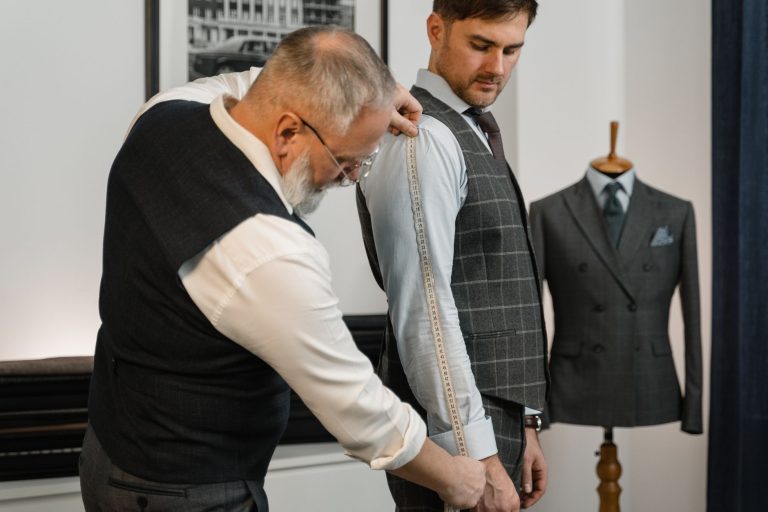
Describe the practical symptom—such as a gaping waist, low sleeve, uncomfortable hem while walking or shoulders that look too wide—rather than guessing at tailoring terminology. Northshore recommends discussing the symptom, intended use, deadline and previous alterations at the initial appointment.[3]
Bring the garment, intended shoes, relevant underwear or layers, useful reference photographs and its alteration history.[3] The intended bra can affect a dress’s support and drape, while the usual shirt or layer under a jacket affects the assessment of its shoulders, seams and proportions.[3]
Record these points before authorising the work:
- garment and current condition;
- observable fit problem and intended result;
- operations included in the quote;
- design features to retain;
- planned fitting stages;
- completion deadline;
- price and payment terms;
- approval process for additional work;
- pickup fit-and-finish check; and
- correction arrangements, including any deadline or charge.
Keep this checklist separate from the provider’s contract. Northshore says its quote covers the alterations discussed and later work requires the customer’s explicit agreement.[3] La Couturier requires customers to sign its service documents before work starts and allows them to request a copy or photograph the signed documents.[2]
Sample scope: Garment: ___; condition: ___; fit problem: ___; requested result: ___; quoted work: ___; features to retain: ___; fittings: ___; completion date: ___; price and payment: ___; approval for additions: ___; pickup check: ___; corrections: ___.
Check fabric and construction limits
Ask the alterer to assess the proposed change against the garment’s physical construction before accepting the quote.
- Hemming: Bring the shoes and layers intended for the garment.[3] Northshore says straightforward hems usually need no second fitting.[3]
- Letting out: Ask the alterer to check hidden seam allowance, previous work, fabric condition and existing wear.[3] Airtasker says fabric can sometimes be added to enlarge a plain skirt at the sides or hem, but intricate designs can make this difficult.[5]
- Taking in: Ask the quote to identify where volume will be removed and whether pockets, seams, darts, pattern lines or other visible details will move. This is a proposed comparison check, not a process every provider claims to follow.
- Structured garments: Northshore’s suit assessment considers internal canvas, trouser allowance, chest drape, side-seam symmetry, sleeve pitch, pulling and twisting.[3] An apparent fit problem may instead originate at the seat, thigh, shoulder slope or bust-dart position.[3]
- Lining and fastenings: Record whether each lining, zip, button or other component will be repaired or replaced, including any associated finishing.
Delicate, worn, slippery, thin, hand-sewn or intricately beaded material may limit the alteration or increase its complexity.[3][5] Northshore also says minimal seams or inexpensive thin fabric can make extensive reconstruction poor value.[3]
Agree the fitting stages
The key question is whether the alteration can be completed from the initial fitting or should be checked on the wearer before seams are permanently closed. Northshore says straightforward hems, basic shirt-sleeve shortening and simple adjustments typically need no second fitting.[3] Full suit resizing, structured dresses with multiple darts and major jacket reshaping may require an intermediate fitting before seam closure and hand finishing.[3]
Taking a garment in or out is not automatically simple or complex. Ask the alterer to classify the job after considering the size of the change, garment structure, fabric, affected seams and design details.[3][5]
Record:
- the initial pinning and construction assessment;
- any intermediate fitting and what it will check;
- whether approval is expected before permanent seam closure; and
- the final fit check at collection.
Also agree who pays and how the deadline changes if more work or another fitting becomes necessary. La Couturier says extra customer-requested sessions depend on advance request, availability and advance payment, unless it adds a session because of complexity or an unforeseen situation.[2]
Compare the complete quote
Compare the full scoped job rather than one headline price. Ask the quote to identify replacement components, access through any lining, finishing, included fittings and the approval process for additional work.
Published guides are not equivalent quotes. Airtasker gives a $15 pants-shortening example, while Second Stitch starts a pants or jeans hem at $30.[5][6] The difference shows why the garment, construction and full scope need to be quoted by the chosen provider.
La Couturier requires full payment upfront.[2] Its bridal and dress services include alterations, while its other listed work includes invisible mending, suits, shirts, pants, jeans, coats and repairs; it does not accept real-animal-fur garments or new-customer dressmaking.[2]
Inspect the garment at pickup
Compare the finished garment with the written scope rather than relying only on a general impression of improved fit.
- Try it on with the same shoes, underwear and usual layers used for the fitting.[3]
- Confirm each scoped fit change and check that retained design details remain intact.
- Sit, stand, walk and make the movements expected when wearing it.
- Check symmetry, hem level, seam position, closures, lining, pressing and finishing around altered areas.
- Ask the provider to identify the completed work and explain any approved departure from the scope.
This is an editorial inspection framework, not a universal provider process. Northshore says collection includes presentation of the pressed garment, an explanation of the work and another fit check.[3] La Couturier also recommends trying on the garment at pickup.[2]
Check for visible fitting marks and ask how to remove them safely. La Couturier says visible blue marker is normally cleaned before return, although hidden residue can remain, and advises contacting it for cleaning instructions.[2]
If the result does not match the scope, document the issue before leaving where possible and follow the provider’s written correction terms. If another person will collect from La Couturier, that provider requires a nomination and waiver form plus identification matching the nominated name.[2]
What to confirm with each provider
The cited pages do not state all of the following details, so confirm the relevant terms in writing:
- LookSmart: individual alteration prices; voucher conditions; assessment and fitting sequence; cancellation terms; deadline for requesting re-alteration or a refund.
- La Couturier: standard turnaround; number of complimentary fittings; extra-fitting fee; complete cancellation and refund formula; general correction policy.
- Northshore: general price list; payment and cancellation terms; formal deadline for requesting corrections.
- Second Stitch: turnaround; payment, cancellation and refund terms; fitting stages; correction guarantee.
- Airtasker providers: final price; fitting stages; cancellation terms; correction policy; evidence of individual provider performance.
References
- Clothing Alterations & Repair Services – LookSmart (looksmartalterations.com.au)
- Frequently Asked Questions | La Couturier Alterations (lacouturier.com.au)
- What to Expect at Your First Alteration Appointment – A Sydney Tailor's Guide (northshorealterations.com.au)
- How Much Do Clothing Alterations Cost in 2025? | Airtasker AU (airtasker.com)
- Alterations | Second Stitch (secondstitch.org.au)